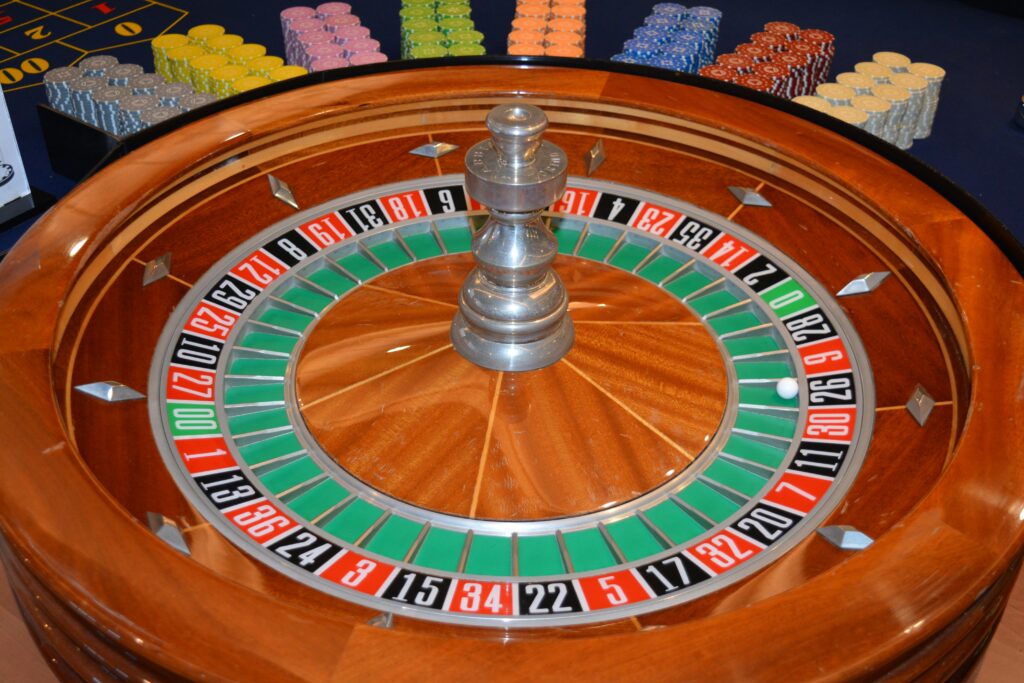

Wheel betting and traditional sports betting both involve wagering on uncertain outcomes, but they work in very different ways. The way results are determined, how bettors make selections, and how quickly wagers are settled can vary considerably between the two formats.
Understanding those differences matters before placing money on either. Wheel betting centers on the options and payout structure built into a particular game, while sportsbook betting connects wagers to real sporting events.
Comparing their mechanics, decision-making, use of information, and pace makes each format easier to understand.
How Wheel Betting and Sportsbook Wagers Work
Wheel betting begins with the wagering options available in a particular game or draw. Bettors choose from the available outcomes and decide how much to stake before the round is resolved. The rules of the game determine which selections win, the odds attached to them and how successful wagers are paid.
Those mechanics can vary between wheel betting formats, so understanding the available outcomes, odds and payout structure is important before placing a wager. Bettors may also adjust stake sizes or strategies across repeated rounds, making bankroll management and knowledge of the game’s rules an important part of the experience.
Traditional sports betting works differently because the wager is connected to a sporting event. A sportsbook offers markets based on outcomes such as which team wins, the final scoring margin, or the combined points scored. Results on the field, court, track, or other playing surface ultimately determine whether those wagers succeed.
That creates the clearest distinction between the formats. Wheel betting is resolved by the rules and mechanics of the particular game, while a sports wager depends on the outcome of an external competition. Both involve uncertainty, but the factors bettors need to consider before wagering are quite different.
The Two Formats Ask Bettors to Make Different Decisions
In wheel betting, much of the decision takes place within the boundaries of the game itself. Bettors can examine the available selections, understand how much of the wheel each choice covers, compare potential payouts, and decide how much they are prepared to risk. The possibilities are defined by the format before the result is produced.
Sports betting introduces decisions tied to the event behind the market. A moneyline asks which competitor will win, while a point spread introduces a required margin. Totals focus on combined scoring instead. Choosing between those options means deciding which part of the event a bettor feels comfortable evaluating.
The same game can also produce very different betting decisions. Someone might expect a basketball team to win but be less certain that it will cover a large spread. Another bettor may have no strong opinion on the winner but expect an up-tempo matchup to produce plenty of scoring. The selected market determines what prediction actually needs to be correct.
Neither format removes uncertainty. Understanding a wheel game does not reveal the eventual result, just as studying a football matchup cannot guarantee how the game will unfold. What changes is the type of information available before the wager is placed.
Information Plays a Different Role in Each Betting Experience
Wheel betting places greater emphasis on understanding the game itself. Bettors need to know the available selections, how the result is determined and the payout attached to each choice. Those details establish the relationship between the amount risked and the possible return.
Sports betting draws on a wider range of information because teams, players, schedules, and conditions can change. Recent performances may provide useful context, while injuries or lineup changes can alter expectations before an event begins. Matchup characteristics can matter too, particularly when one team’s strengths directly target another’s weaknesses.
Bettors looking more closely at an upcoming event can review current sports stats and analysis to examine team performance, player trends, and matchup information across different sports. Those details can help build a clearer picture of the contest before deciding whether the available market reflects the bettor’s expectations.
More information still doesn’t make a sporting result predictable. Statistics describe what teams and players have done, while the next game introduces new circumstances. A useful approach is to treat those numbers as context for a decision rather than proof that a particular outcome will occur.
Risk, Payouts, and Pace Shape the Overall Experience
Pace is one of the more noticeable differences between the formats. A wheel wager can be resolved as soon as the relevant spin or draw finishes, allowing another round to begin quickly. Sports wagers often develop over a longer period because settlement depends on the event or specific market reaching its result.
Potential returns are also presented according to the structure being used. Wheel games assign payouts to their available selections based on the rules of that format. Sports betting uses odds attached to individual markets, so the potential return can differ depending on the team, player, or outcome selected.
Each experience encourages repeated wagering, but does so in different ways. Rapid wheel rounds can create frequent opportunities to place another stake, while a sportsbook may offer numerous events and markets across a single day. The amount of choice available doesn’t mean every round or market needs a wager.
Setting an entertainment budget before starting can help keep either experience manageable. Bettors can also decide on stake sizes in advance rather than increasing them simply because a previous wager lost. Understanding the format matters, but responsible participation also means recognizing that uncertainty remains part of every bet.
Understanding What Changes Between the Two Formats
Wheel betting and traditional sportsbook betting offer different ways to wager. One centers on the rules, selections, and outcome mechanism of a wheel game, while the other connects betting markets to events involving teams and athletes. That difference influences everything from the information considered beforehand to how long a wager takes to resolve.
Neither format requires bettors to participate every time an opportunity appears. Understanding what determines the result, how potential payouts work, and how much to set aside for betting provides a more measured foundation for either experience.